

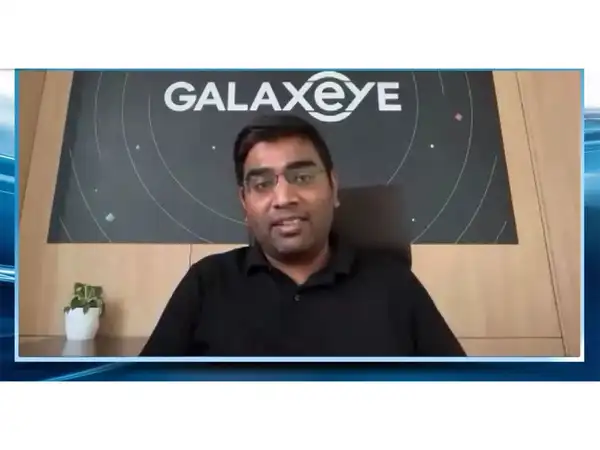
BENGALURU: Indian space technology startup GalaxEye has secured a United States patent for the technology behind its OptoSAR satellite imaging system, marking a significant development for the country’s growing private Earth-observation sector.
The patented system is designed to synchronise optical and microwave sensors on satellites so they can capture spatially and temporally matched observations of the same location.
The technology is aimed at addressing one of the key challenges in satellite imaging. Optical sensors can provide detailed images but may be affected by cloud cover and darkness, while radar-based systems can operate in conditions where optical imaging is limited.
By combining the two types of sensing technology, the company aims to provide more consistent Earth-observation data across different weather and lighting conditions.
Such capabilities can have applications in areas including agriculture, infrastructure monitoring, disaster management, insurance, maritime intelligence and security.
The company said the technology has already received a patent in India. The US patent strengthens its intellectual-property portfolio as it prepares to expand its operations.
GalaxEye is also planning a satellite constellation of around 30 spacecraft over the next five years. The company has been developing its capabilities as India encourages greater private-sector participation in space technology and commercial satellite services.
The startup was founded by engineers associated with IIT Madras and has raised funding to develop its satellite imaging technology and commercial operations.
The latest patent comes as demand for Earth-observation data continues to grow globally, with satellite imagery increasingly being used by governments, businesses and industries for monitoring and decision-making.
The development highlights the growing role of Indian private companies in developing specialised technologies for the global space market.



Comment here