

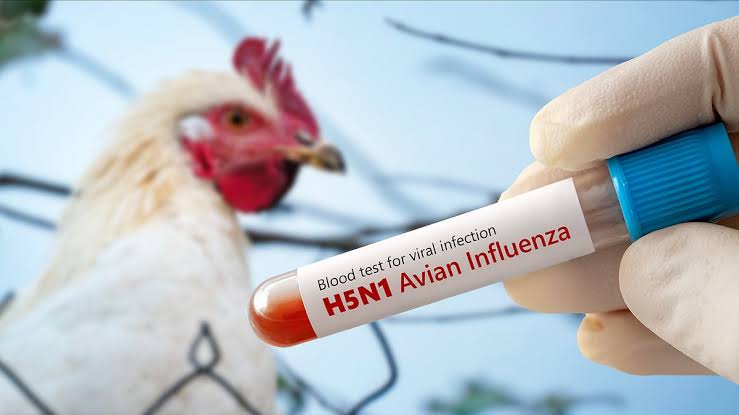
Bhopal: India has dedicated its first indigenous H5N1 bird flu vaccine for chickens to the nation, marking a significant development in veterinary science and poultry disease prevention.
Union Agriculture and Farmers Welfare Minister Shivraj Singh Chouhan dedicated the vaccine at the ICAR-National Institute of High Security Animal Diseases (NIHSAD) in Bhopal on Friday. The vaccine has been developed by scientists at the institute under the Indian Council of Agricultural Research.
The inactivated vaccine targets the H5N1 highly pathogenic avian influenza virus belonging to Clade 2.3.2.1a. This particular strain has been responsible for a major share of bird flu outbreaks among chickens in India.
According to the Agriculture Ministry, the vaccine has been priced at ₹1–2 per dose. Its affordable cost is expected to make disease prevention more accessible to poultry farmers, including those operating smaller farms.
India recorded its first bird flu outbreak in 2006. Since then, more than 500 outbreaks involving H5N1 and H5N8 subtypes have been reported. These outbreaks have caused substantial losses to poultry farmers through bird deaths, culling operations and restrictions on the movement of poultry products.
The development of the indigenous vaccine is expected to strengthen India’s ability to respond to the disease and reduce the economic impact of future outbreaks.
During the programme, Chouhan also announced plans to establish a new state-of-the-art animal disease research laboratory in Bhopal at an estimated cost of ₹300 crore.
The minister appreciated the contribution of the scientific team and highlighted the importance of research institutions in developing solutions for animal health challenges.
The vaccine represents an important step towards strengthening India’s domestic veterinary research capabilities. Its wider impact will depend on manufacturing, distribution and the implementation of appropriate vaccination and disease-surveillance measures.
The development is expected to provide an additional tool for protecting poultry populations and supporting the livelihoods of farmers across the country.


Comment here