

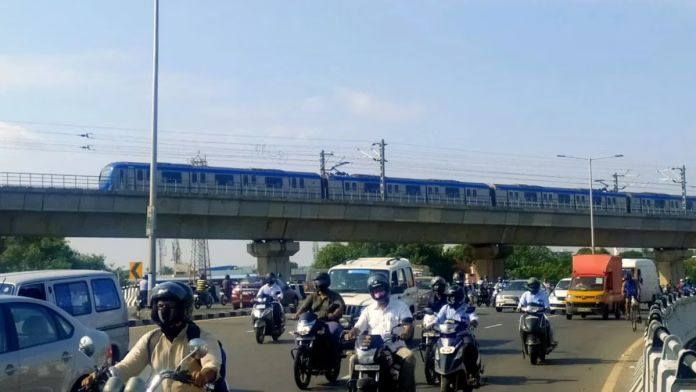
Researchers from the Indian Institute of Technology Madras (IIT Madras) have mapped microbial communities present on surfaces across the Chennai Metro system, identifying genetic markers associated with antibiotic resistance in a study that provides new insight into India’s urban public transport microbiome.
The research, published in the journal mSphere, examined microbial DNA collected from 12 Chennai Metro stations and trains. Frequently touched surfaces, including handrails, ticket kiosks, banisters and counters, were included in the sampling.
The researchers collected 96 surface swab samples during December 2021 and January 2022. Following quality checks and DNA sequencing, 41 samples were included in the final analysis.
The study identified distinct microbial patterns associated with Chennai. Researchers found nine species that were unusually common in the metro samples compared with data from other cities around the world.
The team also detected 72 families of genes associated with antibiotic resistance. More than 80 per cent of the analysed samples contained at least one resistance-associated gene, although the genes were present in relatively low amounts.
The findings do not establish that the metro surfaces carried actively resistant bacteria or that passengers faced an increased risk of infection. DNA sequencing can detect genetic material from both living and dead organisms. Additional laboratory testing is needed to determine whether the identified genes are functional and whether the organisms can cause disease.
The researchers said the study provides an initial reference for understanding microbial communities in Indian public transport systems. Chennai’s coastal environment, humidity, passenger activity and urban conditions may influence the microbial patterns observed.
The research also highlights the need for continued monitoring. Repeated sampling across seasons could help researchers understand how microbial communities change over time and whether unusual patterns emerge.
The study does not suggest that public transport systems should be made sterile. Instead, it points to the value of targeted cleaning of high-contact surfaces and further research into the microbial environment of densely populated public spaces.
The work adds to the growing field of urban microbiome research and provides a foundation for future studies on environmental microbiology and antimicrobial resistance in Indian cities.

Comment here